



The holiday season brings joy, generosity, and great deals but it also attracts scammers looking to take advantage of the rush. With more people shopping, donating, and booking travel online, cyber scams are on the rise.
According to the FBI’s 2024 Global Holiday Shopping Scams Study, 1 in 3 Americans fell victim to a holiday scam last year. Even more alarming, 58% lost money, and nearly 1 in 10 lost over $1,000. Scammers exploit the busy season through fake retail sites, phishing emails or text messages, counterfeit delivery notices, and fraudulent charity appeals.
Here are some of the most common holiday scams to watch for and how to keep your money and information safe.
Gift Card Scams
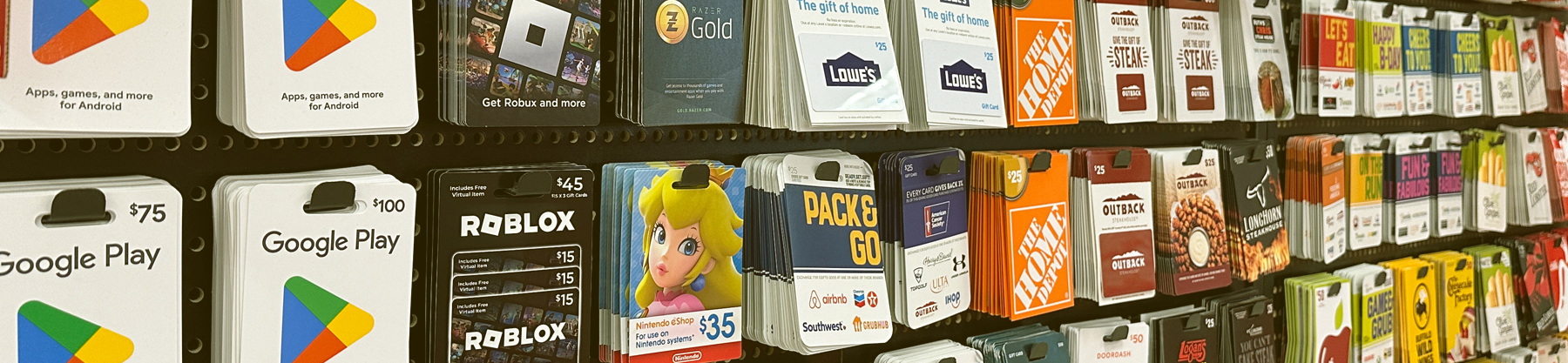
A common tactic this time of year involves scammers pressuring people to buy gift cards as “payment” for urgent business or personal reasons. Once they have the numbers and PINs, the balance is gone within minutes.
Stay safe:
Never share gift card details by phone, text, or email. No legitimate company or government agency will ask for payment this way.
Fake Charity Scams
Fake charities often appear during the holidays, imitating real organizations to steal donations.
How to protect yourself:
Before you give, research charities through trusted sources to confirm legitimacy.
Package Delivery Scams & Porch Pirates

Scammers send fake “tracking” emails or delivery notification texts with malicious links that infect your device with malware. Meanwhile, real deliveries face another threat: bold porch pirates. Visit our blog on package safety for more delivery protection tips.
Protection Tips:
- Track deliveries directly through the retailer’s official site.
- Use secure package drop boxes or lockers when possible.
- Monitor your doorbell camera and ask a trusted neighbor to collect packages if you’re away.
Temporary Holiday Job Scams
Many people look for seasonal work, and scammers take advantage of that with fake job postings that are often remote and promise easy money but require fees or personal information.
Watch for red flags:
- Never pay to apply for a job or purchase supplies.
- Be skeptical of “no-interview” offers or jobs that seem too perfect.
- Always request a formal offer letter before doing any work.
Holiday Travel Scams
Fraudulent websites and ads promote “exclusive” vacation packages or discounted flights that disappear after you pay. To stay safe, be cautious of travel deals that seem too good to be true.
Stay alert:
- Avoid clicking on links for travel ads on social media or sponsored search results.
- Book directly through reputable travel companies or verified agencies.
- Be cautious of deals that seem unusually low or suspicious.
Visit our blog for helpful security tips on using online banking safely while traveling.
Sweepstakes & Survey Scams
You might receive an email, text, or call saying you’ve “won” a prize but before claiming it, they ask for personal information or payment.
Protect yourself:
- Legitimate contests or giveaways never require you to pay fees or share sensitive information to claim a prize.
- Always be cautious of unexpected “you’ve won” messages, especially if you didn’t enter the contest.
- Ignore suspicious messages and report them as spam or phishing.
Online Shopping Scams
Fake websites and phishing emails promote huge discounts to steal credit card information or login credentials.
Shop smart:
- Stick to trusted sites and check that the URL starts with “https://”.
- Avoid clicking on unfamiliar ads or links, especially those that seem urgent.
Malicious App Scams
Some apps disguised as games, shopping tools, or holiday deals can contain malware that steals your personal data once installed.
Play it safe:
Download apps only from official app stores and check reviews before installing.
QR Code Scams
Scammers may send texts, emails, or even packages with fake QR codes that lead to phishing sites or installing malware.
What to do:
Only scan QR codes from trusted sources, such as verified businesses or official communications.
Counterfeit Product Scams

Knockoff products are a growing issue during the holidays. These scams often involve fake or low-quality items marketed as luxury or limited-edition deals, posing as legitimate retailers.
Before you buy:
Read customer reviews, check seller ratings, inspect product photos, and be wary of unusually low prices.
How to Protect Yourself
Shop smart
Use trusted and reputable retailers, secure websites (https://), and secure payment methods that offer buyer protection.
Think before you click
Avoid links or ads from unknown sources, especially if they sound urgent or “too good to be true.”
Monitor your accounts
Check statements regularly with Metro's online banking and report suspicious activity immediately.
Verify charities
Research before donating to ensure your money goes to a legitimate cause.
Stay informed
Keep an eye on your accounts and visit our Fraud Protection page for the latest scam alerts and safety tips.
Holiday scam safety: Questions to ask yourself (with what to do)
Is this message trying to rush me, scare me, or pressure me to act immediately?
If yes, pause. Scammers use urgency to stop you from thinking. Take a breath, verify through an official website or phone number, and do not send money or information yet.
Am I being asked to pay with a gift card, crypto, wire transfer, or another unusual method?
If yes, stop. Legitimate businesses and agencies do not demand gift cards as payment. Do not share gift card numbers or PINs.
Did I click a link from a text or email to “track a package,” or did I go directly to the retailer or carrier’s official site?
If you used a link from a message, do not enter any info. Close it and track using the official site or app by typing the address yourself.
If I am donating, have I verified the charity through a trusted source before giving?
If not, hold off. Search the charity independently, confirm the exact name, and donate only through the organization’s official website or verified channels.
If this is a job offer, am I being asked to pay money, buy supplies, or share sensitive information before I have a formal offer?
If yes, treat it as a red flag. Do not pay to apply, and do not provide sensitive details until you have a legitimate written offer and have confirmed the employer is real.
If I am booking travel, does the deal feel too good to be true, or is it coming from an ad or social post instead of a reputable provider?
If yes, assume higher risk. Book directly with well-known airlines, hotels, or reputable travel companies, and avoid sending payment through unusual methods.
If I “won” something, did I actually enter, and are they asking for payment or personal info to claim it?
If you did not enter or they want money/info, it is likely a scam. Delete, report as spam/phishing, and do not engage.
Before I shop, did I check the website address carefully and confirm it is secure and matches the real brand name?
If you are unsure, do not buy. Look for a secure connection (https), watch for misspellings, and consider purchasing directly from the brand or a known retailer.
Before I download an app or scan a QR code, do I trust the source and have I checked where it leads?
If not, skip it. Only download apps from official app stores, review the publisher and ratings, and avoid QR codes from random messages or unexpected packages.
If I am buying a “brand-name” product, have I checked seller ratings, reviews, and pricing for signs it could be counterfeit?
If not, do a quick check. Extremely low prices, vague listings, and poor seller history are common warning signs.
Have I been monitoring my accounts regularly so I can catch suspicious activity quickly?
If not, start now. Check activity during the season, turn on alerts if available, and report anything unfamiliar right away through official support channels.
If several answers point to risk, the safest move is to stop, verify independently, and only continue once you have confirmed it is legitimate.
How to Report Fraud to Metro Credit Union
If you suspect fraudulent activity or unrecognized transactions on your Metro Credit Union account, contact us immediately:
- By Phone: 402.551.3052
- In Person: Visit one of our branches
- Online: Use the secure Message Center in the Metro Credit Union app or website
Stay alert and proactive this season. With a few extra precautions, you protect your information and money while you shop, give, and travel. Visit our fraud protection page for more information and the latest scam alerts.